phone:15588773038

Lawn Mower Safety Operation: 10 Critical Rules to Avoid Accidents
Safety Guidelines Operation
For homeowners tending to backyard lawns in the US, landscape professionals maintaining estate gardens in Europe, and farm managers caring for pastures in Australia, lawn mower safety isn’t a suggestion—it’s a necessity. Statistics show that over 80,000 lawn mower-related injuries are reported globally each year, with 20% of cases involving children and 30% linked to improper operation. Whether you’re using a push mower, riding mower, electric model, or gasoline-powered machine, mastering these safety rules can protect you, your family, and your equipment. This guide is tailored to the unique needs of users across Europe, the US, and Australia, addressing regional pain points like sloped terrain, damp weather, and large-scale mowing tasks.
1. Pre-Operation Safety Prep: 3 Non-Negotiable Steps
1.1 Full Personal Protective Equipment (PPE) Gear-Up (Chapter 3 of 2025 Safety Guidelines Procedures)
Never start a lawn mower without the right PPE—this is the first line of defense against flying debris and mechanical accidents:
- Head protection: A hard hat is mandatory for riding mowers, especially on bumpy Australian pastures or hilly European countryside.
- Eye and face shield: Blocks grass clippings, stones, and branches—critical for users in the US who often mow near gravel driveways.
- Hearing protection: Mowers produce 85–100 dB of noise; earplugs or earmuffs prevent long-term hearing damage, a top concern for professional landscapers in France and Italy.
- Hand and foot protection: Slip-resistant gloves improve grip on handles, while steel-toe work boots shield feet from falling blades or rolling equipment—essential for Finnish users navigating damp, slippery grass.
- Clothing: Wear tight-fitting long sleeves and pants; loose clothes can get caught in mower parts, a common hazard for casual homeowners in Spain and Poland.
1.2 Machine Inspection Checklist (Chapter 7 of 2025 Safety Guidelines Procedures)
A faulty mower is a dangerous mower. Spend 5 minutes checking these components before every use:
- Blade condition: Ensure blades are sharp, tight, and free of cracks. Dull blades tear grass instead of cutting it, increasing engine strain and the risk of debris being thrown at high speeds.
- Safety guards: Never remove discharge chutes or blade guards—they reduce flying debris risks by 60%. This is a non-negotiable rule for European users adhering to strict equipment safety standards.
- Fluid and power checks: For gasoline mowers, verify oil and fuel levels (refuel only in well-ventilated outdoor areas, away from sparks). For electric models, inspect cords for fraying (corded) or charge batteries fully (cordless)—a must for UK users dealing with frequent rain and damp conditions.
- Emergency stop test: Confirm the emergency brake (riding mowers) or kill switch (push mowers) works instantly. This feature can save lives if the mower tips or gets stuck.
1.3 Clear the Mowing Area
Hidden obstacles are one of the leading causes of mower accidents. Walk your lawn or pasture to remove:
- Stones, branches, toys, and metal debris—these can be thrown at 100+ km/h, causing serious injury.
- Mark underground hazards like irrigation lines or cables, a key step for US homeowners with complex yard setups and Australian farmers tending to large fields.
- Check slope angles: Never mow slopes steeper than 15° with a push mower or 30° with a riding mower—this is a critical rule for Irish and Swiss users dealing with hilly terrain.
2. In-Operation Safety: 4 Core Rules to Follow
2.1 Stick to Correct Operation Postures
- Push mowers: Stand with feet shoulder-width apart, grip handles firmly, and walk at a steady pace—never run or force the mower over thick grass. Avoid overreaching, which can cause loss of balance on wet European lawns.
- Riding mowers: Sit upright with both hands on the steering wheel and feet on the pedals at all times. Never stand up, lean over the side, or dismount while the mower is moving—a common mistake that leads to tipping accidents in the US.
2.2 Master Slope and Terrain Safety (Chapter 4 of 2025 Safety Guidelines Procedures)
Sloped ground is the biggest risk factor for mower tipping. Follow these regional tips:
- For European users with terraced gardens: Mow across slopes (sideways) with push mowers to prevent sliding. For riding mowers, mow up and down slopes—never sideways—to avoid rollovers.
- For Australian farmers with large pastures: Avoid mowing wet, muddy slopes; wait until the ground dries to reduce traction loss.
- For US suburban users: Never mow near drop-offs like retaining walls or ponds—maintain a 2-meter safe distance at all times.
2.3 Handle Clogs and Malfunctions Safely
If your mower gets clogged with grass or debris, never reach into the discharge chute with your hands—even if you think the blade is stopped. Follow this protocol:
- Turn off the engine immediately and remove the key (riding mowers) or unplug the power cord (electric models).
- Wait 30 seconds to ensure the blade has fully stopped rotating—residual momentum can cause the blade to spin unexpectedly.
- Use a long stick or tool to clear the clog. For gasoline mowers, disconnect the spark plug wire for extra safety—a step recommended by European equipment safety authorities.
2.4 Keep Children and Pets Away (Chapter 10 of 2025 Safety Guidelines Procedures)
Children are curious, but they have no place near a running mower. Enforce these rules:
- Keep kids and pets at least 15 meters away from the mowing area—preferably indoors.
- Never allow children under 16 to operate a riding mower, and never let them ride as passengers—this is illegal in many European countries and a major cause of childhood injuries in the US.
3. Post-Operation Safety: 3 Essential Tasks
3.1 Safe Shutdown and Cooling (Chapter 11 of 2025 Safety Guidelines Procedures)
- For all mower types: Turn off the engine and wait 10–15 minutes for the machine to cool before cleaning or storing—hot engines can ignite grass clippings, a fire risk for Australian users in dry, summer conditions.
- For riding mowers: Engage the parking brake, remove the key, and never leave the key in the ignition where children can reach it.
3.2 Equipment Cleaning and Maintenance
- Use a brush or air compressor to remove grass clippings from the mower deck—buildup causes rust and reduces cutting efficiency. Never use a pressure washer, which can damage electrical components on electric models.
- Inspect blades for damage after each use; sharpen them every 25 hours of operation or at the start of each mowing season. This is a key maintenance step for US users with large lawns and European landscapers handling frequent jobs.
3.3 Secure Storage (Chapter 13 of 2025 Safety Guidelines Procedures)
- Store mowers in a locked shed or garage, out of reach of children and pets. For gasoline mowers, store fuel in approved containers, away from heat sources—critical for users in warm Mediterranean countries like Spain and Italy.
- For cordless electric mowers, store batteries at room temperature; extreme cold (Finnish winters) or heat (Australian summers) can reduce battery life and safety.
Key Safety Takeaways
- Gear up with full PPE before every use.
- Inspect your mower and clear the area to eliminate hazards.
- Follow terrain-specific rules to avoid tipping accidents.
- Never handle clogs or malfunctions with your hands.
- Store equipment securely to protect children and pets.
FAQ
- Q: How often should I check my mower’s blades for damage?A: Inspect blades before every use, and sharpen or replace them every 25 hours of operation. Dull blades increase accident risks and damage your lawn.
- Q: Can I mow wet grass safely?A: No. Wet grass is slippery, increasing fall risks, and clippings can clog the mower. Electric mowers also pose an electrocution risk in damp conditions.
- Q: What’s the safest way to transport a riding mower?A: Use a trailer with a ramp, secure the mower with straps, engage the parking brake, and remove the key. Never transport a mower in the back of a pickup truck without proper securing—this is a common mistake in the US.
more about
Vision & Mission
We are committed to providing safe, efficient, and environmentally friendly solutions for global customers through continuous technological innovation and exceptional product quality, driving industry progress and collectively creating a better future.
XinyanTown,Jining city, Shandong Province,china
Tel. +86 15615677800
WhatsAPP : +86 15615677800
Email : JohoTheesfeld@gmail.com
Our Business Partner
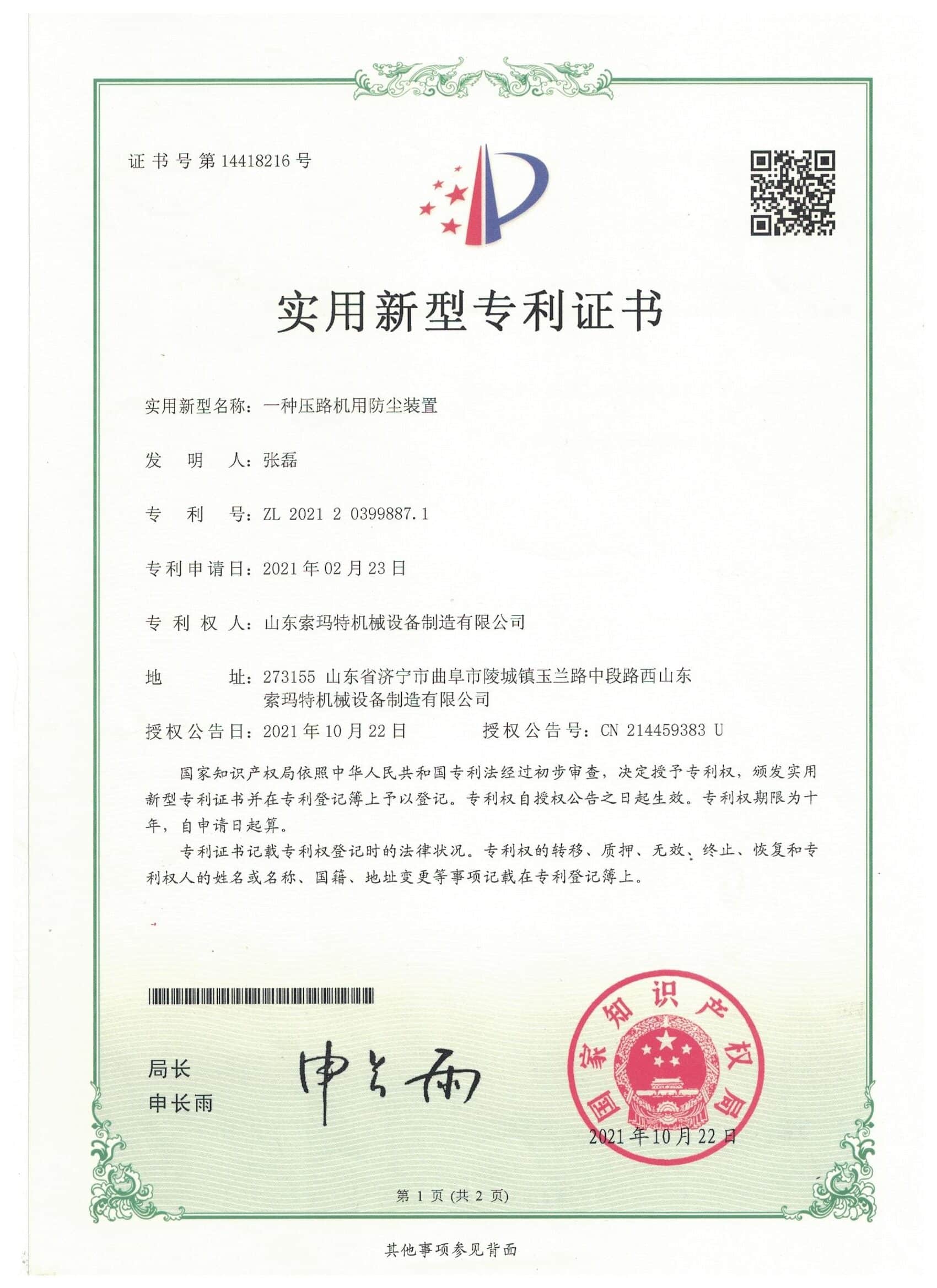
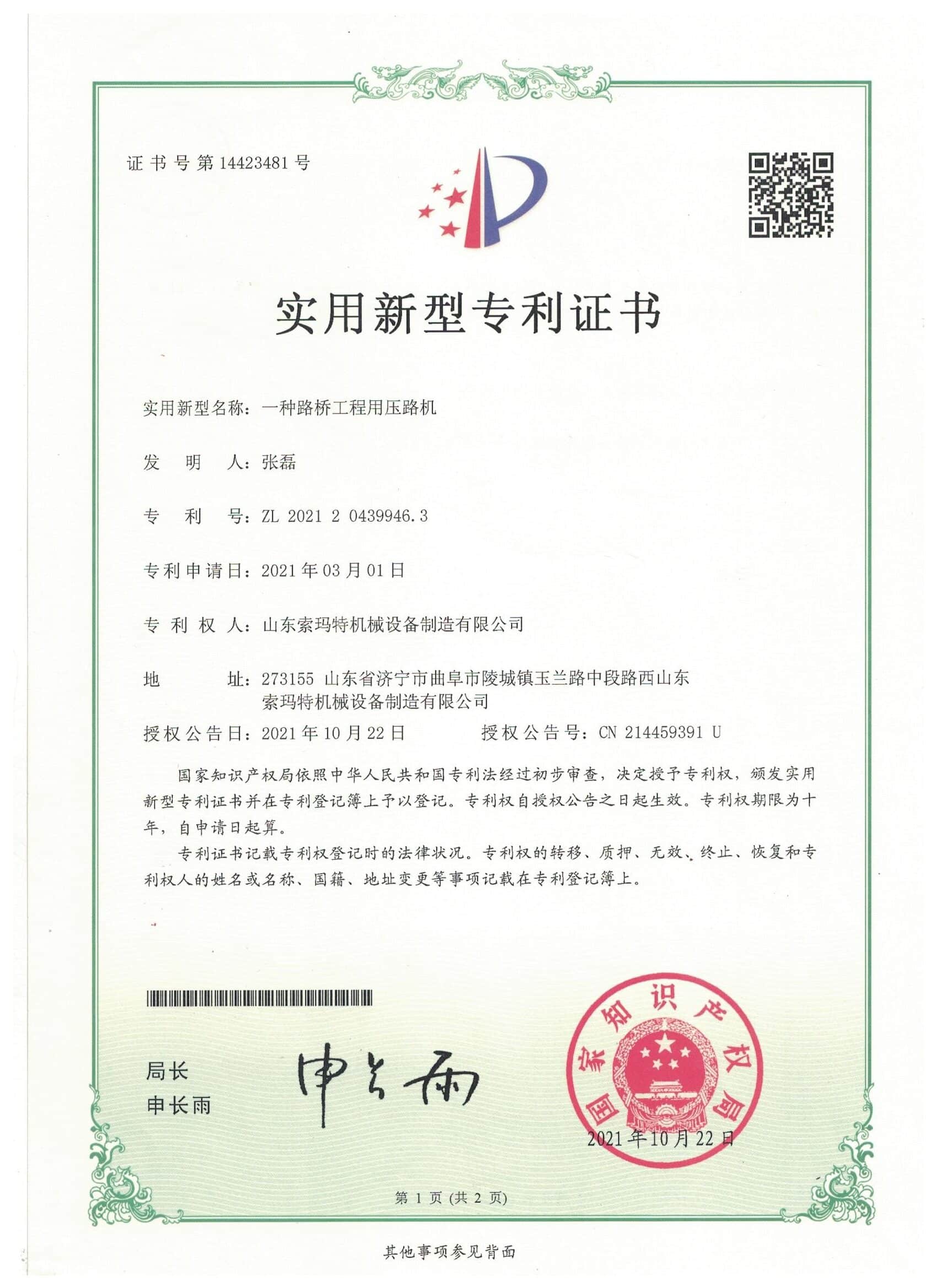
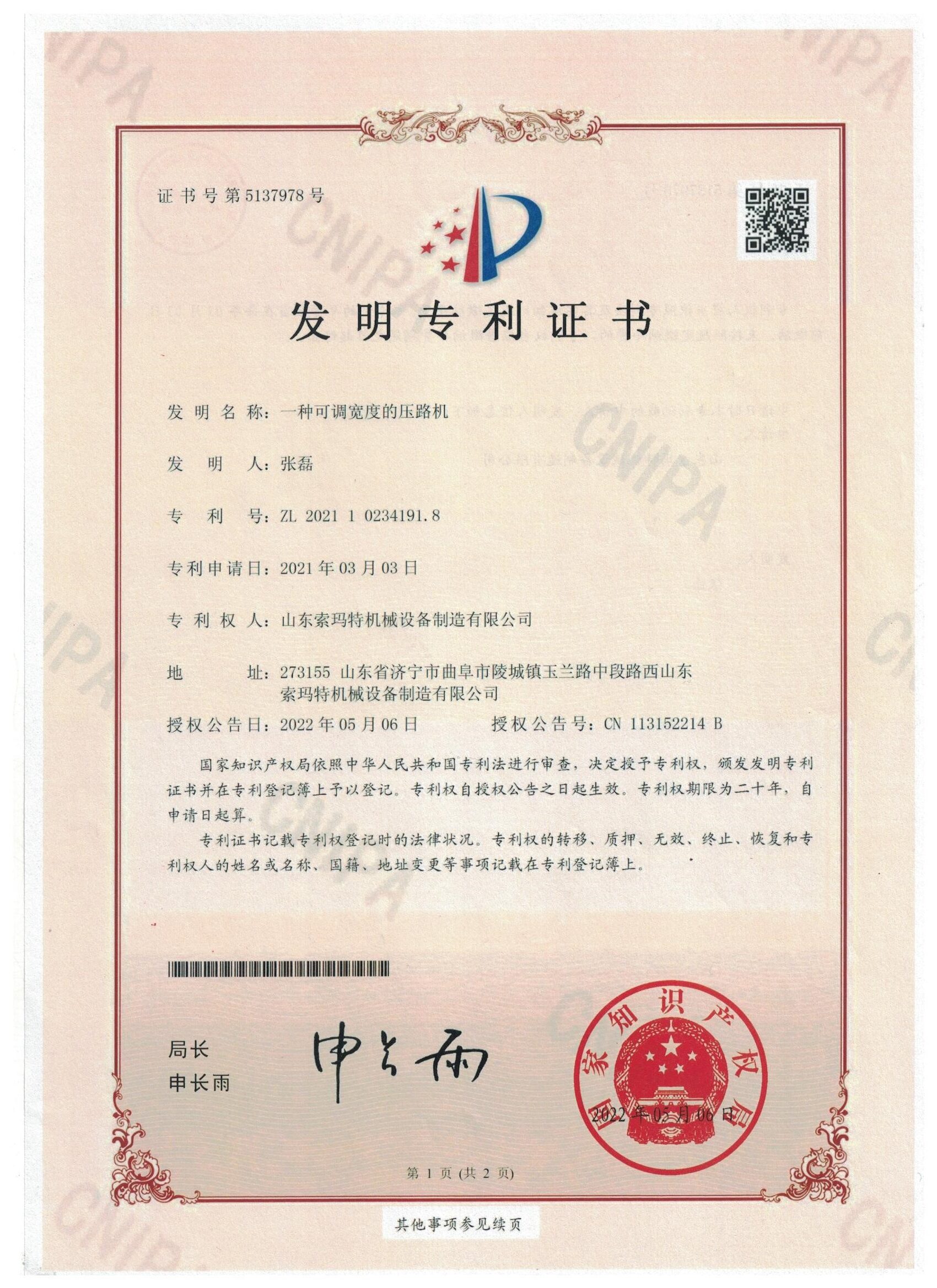
Since 2009, smtmach has been a trusted supplier of lawn mowers to leading global agricultural enterprises such as Cargill, John Deere, and Bowery Farming. We also provide compact excavators and skid steer loaders to renowned construction firms including Gensler and AECOM in the U.S., as well as Nikken Sekkei in Japan. Over the past 16 years, our products have earned the trust and satisfaction of users worldwide.

Do You Have A Question?
We are happy to answer any of your questions relating to our inventory, locations or the way we do business.
Looking for a quote?
We recommend you submit a request for quote document via our RFQ Form.